Why Blossom Valley San Jose Homes Offer More Value
March 26, 2026
March 26, 2026
Want a bigger yard and an extra room without stretching into Almaden or the priciest parts of Cambrian? You are not alone. Many South Bay buyers discover that Blossom Valley in South San Jose can deliver more interior space, usable lots, and solid day‑to‑day convenience at a lower median price. In this guide, you will see how pricing compares, what homes look like, how schools work by address, and what a realistic commute feels like. Let’s dive in.
Blossom Valley’s median sale price sits well below nearby Almaden in early 2026. According to Redfin (Feb 2026), the Blossom Valley median is about $1.51 million. Zillow’s local index shows a similar picture, with a ZHVI near $1.42 million and a reported median around $1.374 million as of Jan 31, 2026. By contrast, Almaden Valley medians are higher, with Redfin around $2.03 million and Zillow’s ZHVI near $2.17 million in the same period. Cambrian Park varies by data source, with some reports in the mid $1.7 to $1.9 million range and a Zillow ZHVI closer to $2.34 million.
Two notes matter as you compare. First, neighborhood boundaries differ across providers, which can shift medians. Second, single sales and micro‑pockets can move numbers in either direction. Treat the figures as a compass, not a promise, and always verify current data before you write an offer.
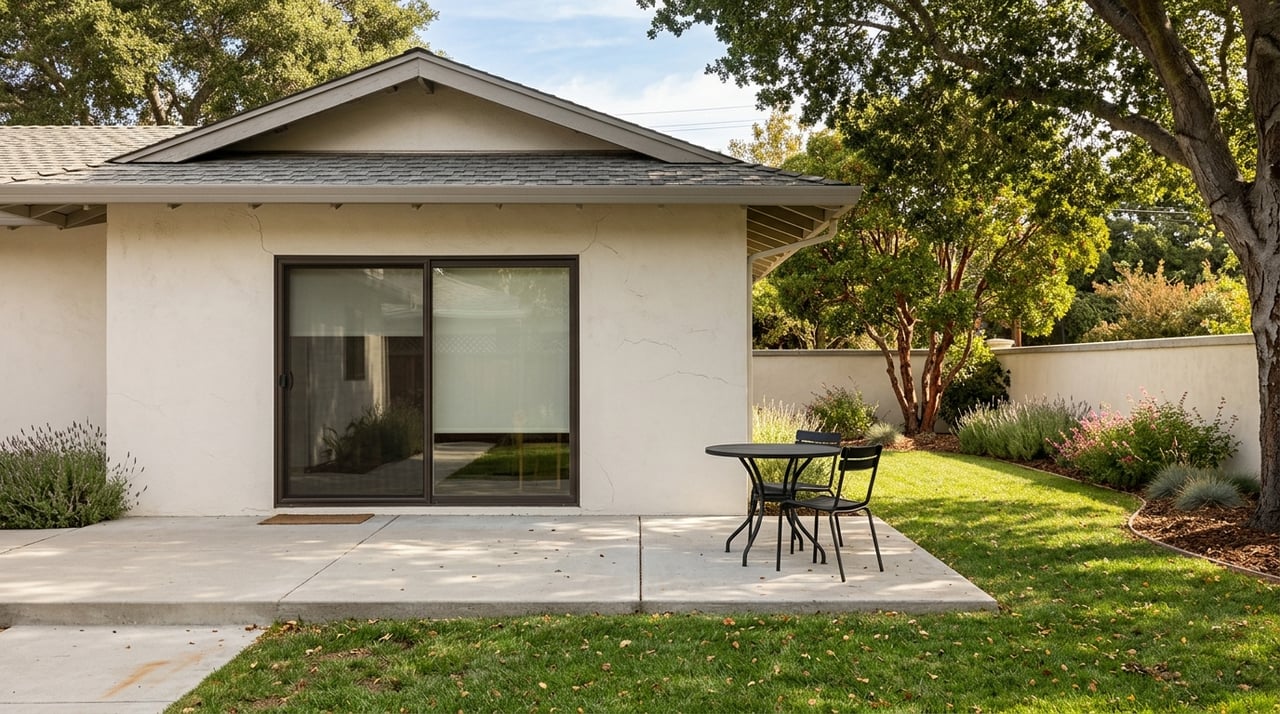
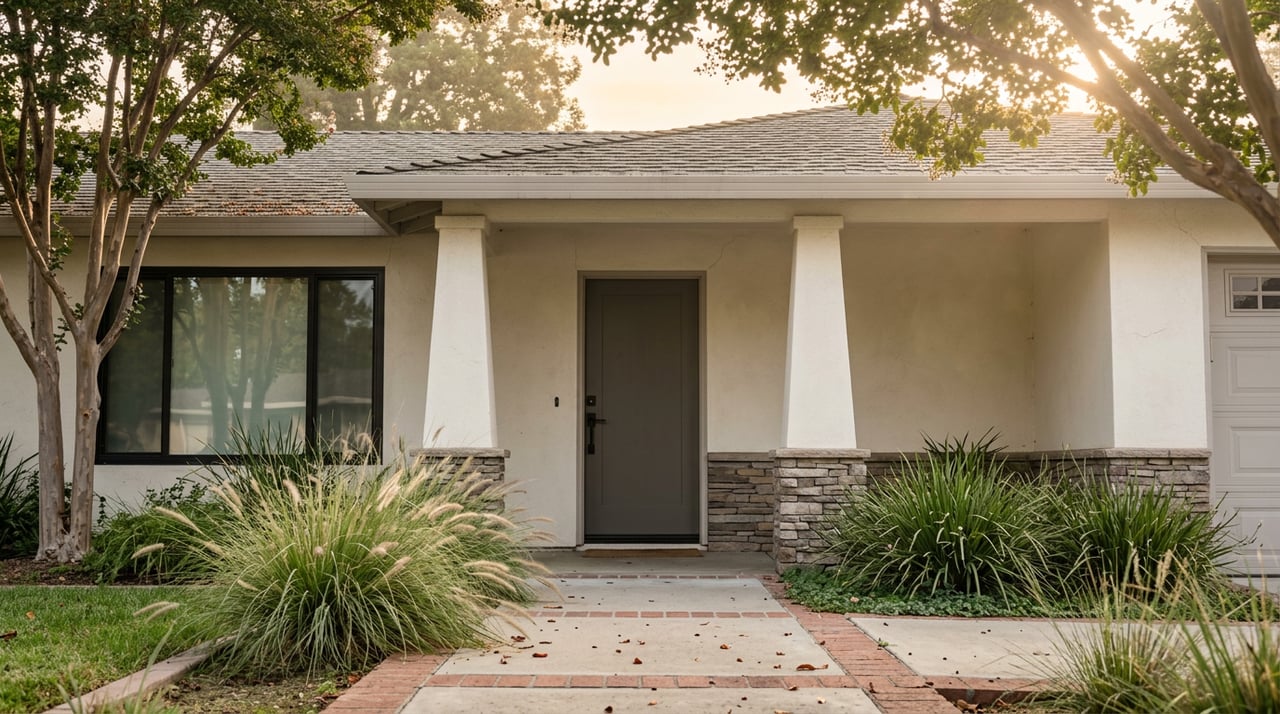
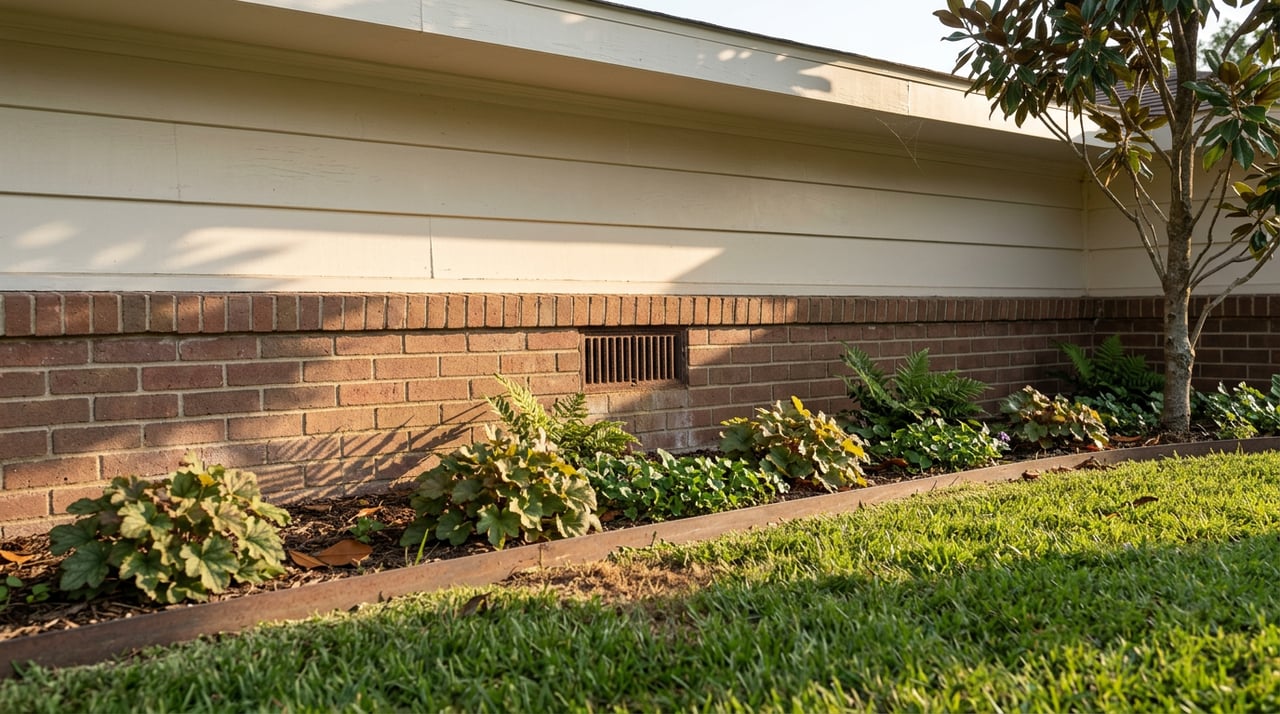
Housing in Blossom Valley is largely single‑family ranch and split‑level homes built from the 1950s to 1970s, with some later infill. Typical interiors often range from about 1,100 to 2,100 square feet, and many lots fall between roughly 5,000 and 8,500 square feet. Recent sales illustrate the pattern, including homes around 1,883 square feet on a roughly 6,500 square foot lot, single‑story homes near 2,084 square feet on an 8,224 square foot lot, and classic ranches near 1,492 square feet on about 7,000 square foot lots. Many properties have been updated, while others are mostly original and ideal for renovation.
For pricing segments in early 2026, condos and townhomes often start in the low $400,000s and can reach the high $800,000s depending on size and condition. Many 3 to 4 bedroom single‑family homes in the 1,300 to 1,900 square foot range trade from about $1.1 million to $1.9 million based on renovation, lot, and school assignment. Renovated homes and larger lots can exceed $2 million in choice pockets, especially near the foothills.
Blossom Valley is often described as very competitive. Homes can attract multiple offers, and recent reports show median days on market in the mid‑teens. If this is your target, prepare with a strong pre‑approval, a clear ceiling for your search, and a plan for common contingencies.
Blossom Valley spans parts of multiple districts. Elementary and middle schools often fall under Oak Grove Elementary School District, while high school assignments can include East Side Union High School District, San José Unified, and in some adjacent pockets Campbell Union High School District. Assignments change with exact street and can vary across blocks, so check official district resources for any specific property.
Some addresses feed into highly rated elementary or intermediate schools. For example, Herman (Leonard) Intermediate in Oak Grove ESD carries a strong GreatSchools rating at the time of writing. You can review current details on the Herman Intermediate GreatSchools page. Ratings and boundaries change, so verify current assignments and performance metrics directly with the districts and schools before you make decisions.
A simple process to stay accurate:
Most Blossom Valley commuters drive. The key corridors are SR‑85 for west and northwest trips toward Cupertino, Sunnyvale, and Mountain View, plus SR‑87 and US‑101 for downtown San Jose and north‑south routes. You can read more about SR‑85 on the California State Route 85 overview. Traffic volumes are high during peak hours, and travel time can vary widely. The US‑101 South corridor plan is a useful resource for broader traffic context.
Transit exists, but it is not a full replacement for driving for most residents. The VTA Blue Line serves the Blossom Hill Light Rail station, with park‑and‑ride options, and connects to downtown and other South Bay nodes. Check routes and schedules on the VTA light rail stations page. Caltrain’s Blossom Hill station has limited, peak‑direction service. Many commuters who use rail will connect via Tamien or Diridon. The Caltrain stations and zones page is the best place to start planning.
For walkability, Blossom Valley trends more car‑dependent than inner‑core neighborhoods. Redfin’s neighborhood summary lists a Walk Score around 35 and a Transit Score near 57, which fits the highway‑plus‑park‑and‑ride lifestyle many residents choose.
If you want quick access to green space, Blossom Valley shines. The area is close to Martial Cottle Park, a 287‑acre agricultural and education park with trails and open lawns. It is also near Santa Teresa County Park, a 1,600‑plus‑acre foothill park with hiking, biking, and equestrian options. Many residents also visit Almaden Quicksilver County Park and neighborhood lakes and trails for weekend outings.
Shopping and services are straightforward. Westfield Oakridge is the main mall, with a movie theater, national retailers, and dining. Big‑box stores and groceries cluster along Blossom Hill and Almaden corridors, and you will find a mix of neighborhood centers for daily errands. Healthcare is convenient too, with Kaiser Permanente’s San Jose campus nearby. You can see a facility listing on the CPQCC Kaiser San Jose page.
You may be a great fit if you want a larger yard or a bit more interior space at a lower median price than Almaden or the most competitive parts of Cambrian. You like quick access to trails and parks, and you are comfortable with a driving‑first commute or a mixed drive‑plus‑transit routine. You also want the option to add value by updating an older home.
Trade‑offs include less walkability than inner‑core neighborhoods and school assignments that vary by address. The market is still competitive, and renovated or larger‑lot homes can command premium prices. If you are clear on priorities, you can use those trade‑offs to your advantage.
You deserve clear advice and a plan tailored to your goals. Our team brings neighborhood‑level data, on‑the‑ground experience, and an education‑first approach so you can move fast and feel confident. We help you verify school assignments for each property, map realistic commute options, and compare price‑per‑square‑foot across micro‑pockets. If you plan to renovate, we can connect you with trusted vendors and help you budget for the work.
Ready to explore Blossom Valley or compare it to Almaden and Cambrian? Connect with the Taylor Lambert Group to get a focused search plan, local insights, and negotiation strategies that fit this competitive market.
Stay up to date on the latest real estate trends.



Housing Market Updates!
Etiam non quam lacus suspendisse faucibus interdum. Orci ac auctor augue mauris augue neque. Bibendum at varius vel pharetra. Viverra orci sagittis eu volutpat.