What It’s Like Living Near Downtown Mountain View
March 5, 2026
March 5, 2026
What if your morning commute was a five-minute stroll to a major transit hub, and your evening was a patio dinner under string lights on Castro Street? If you’re looking at homes near downtown Mountain View, you likely want real walkability, easy transit, and a lively dining scene without giving up everyday convenience. In this guide, you’ll see what day-to-day life near Castro Street really looks like, from housing types and price context to transit, parks, and the tradeoffs to know. Let’s dive in.
Downtown Mountain View is centered on Castro Street, a seven-block corridor shaped for people on foot with expanded outdoor dining and a pedestrian-forward street plan. City policies and programs have turned the corridor into a true main street with sidewalk patios and frequent community activity. You can learn more about the public approach to downtown on the city’s page for the area at the official Downtown Mountain View resource.
Walkability here is a standout. Central Old Mountain View posts a Walk Score around 94, which is considered a Walker’s Paradise where most daily errands can happen on foot. That means you can grab coffee, pick up groceries, and head to dinner without getting in the car.
The city itself has about 87,316 residents, a median household income near $189,900, an owner-occupied housing rate around 39 percent, and a mean travel time to work of about 23 minutes. These anchors reflect a mix of renters and owners and a wide range of commuters who use local transit, shuttles, and bike routes.
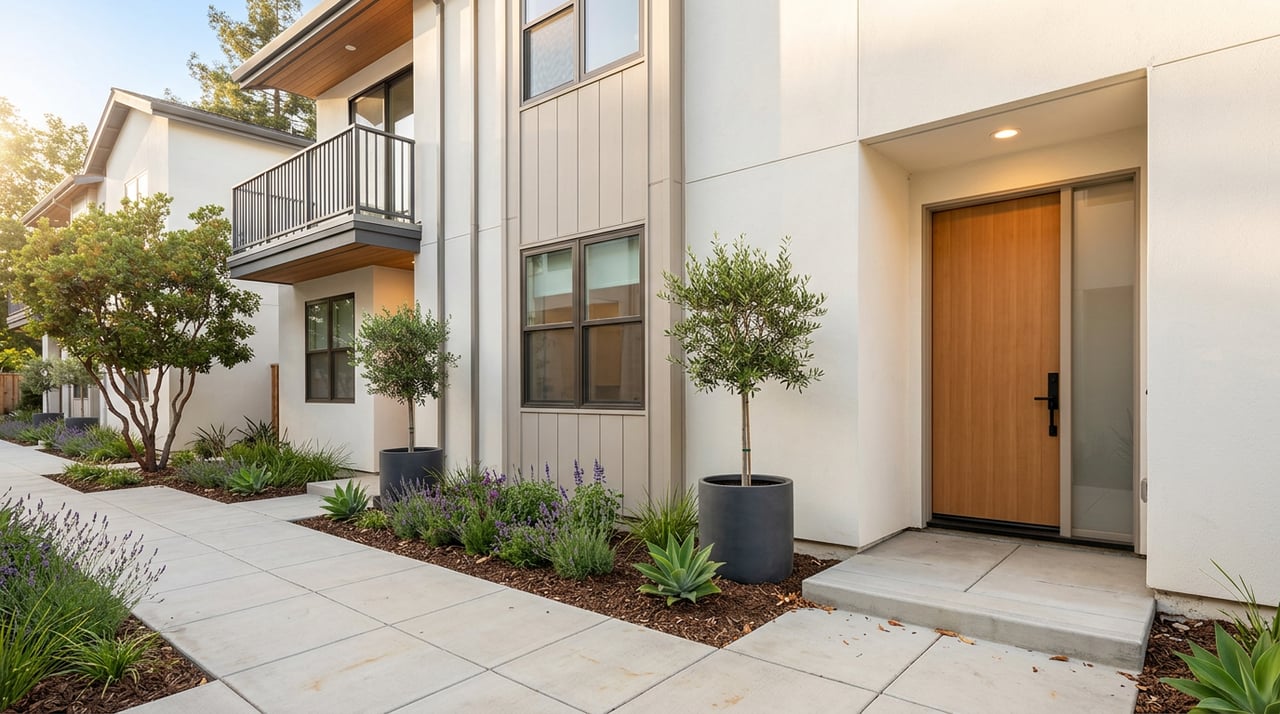
Within a few blocks of Castro Street, you’ll see a mix of older low-rise condos and garden-style buildings from the 1960s to 1980s, a handful of historic single-family homes, and newer infill condo and townhome communities. Small to mid-size mixed-use proposals at downtown gateways continue to add options for residents who want to live close to restaurants and transit. A representative example of planned infill is the Castro Commons concept, which illustrates how the area is evolving with more homes near the core.
Citywide medians are high in Mountain View, and the condo or townhome tier is often the most attainable entry point near downtown. One-bed and one-bath condos in older complexes have historically traded below a million dollars, while many newer two- or three-bedroom condos and townhomes list in the low to mid 1 million range, commonly around 1.1 million to 1.5 million or higher depending on age and finishes. Recent citywide market indices have shown median sale prices in the mid 1 million range and typical home values closer to just under 2 million, with exact figures shifting month to month and by property type.
Expect smaller footprints than single-family homes, assigned or shared parking, and HOA fees that typically cover exterior maintenance, common landscaping, trash, and sometimes water. Many buildings include balconies or small patios for private outdoor space. Newer infill townhomes frequently offer modern finishes, in-unit laundry, and one to two covered parking spots per home.
Downtown condos and townhomes draw young professionals who want walkable, transit-oriented living and social options right outside their door. The same locations appeal to downsizers who prefer low-maintenance homes while staying close to restaurants, parks, and the performing arts center. Inventory is limited relative to demand in Silicon Valley, so well-priced homes near Castro Street often move quickly.
Use this quick list when you tour condos or townhomes near downtown:
Most daily needs cluster within a few blocks of Castro Street. Coffee, lunch, and grocery runs are typically a short walk, which is why the area’s Walk Score is so high. If you want a lifestyle that reduces car time, downtown Mountain View delivers.
The Downtown Mountain View Transit Center connects Caltrain, VTA light rail, and local buses in one spot, which keeps regional trips simple. Caltrain’s recent electrification has increased frequencies and shortened some travel times on the Peninsula corridor, which can make commutes to San Jose or San Francisco competitive with driving depending on your schedule. For first and last mile connections to major campuses in North Bayshore, Whisman, and Shoreline, the city’s MVgo and employer shuttles are crucial links and run to and from the transit center.
Bike commuting and weekend rides are common. The Stevens Creek Trail flows north toward Shoreline Park, and you can connect to Bay Trail links for longer routes. Shoreline at Mountain View offers wide open space, a sailing and kayak lake, and paths that make for easy weekend plans.
If you drive, you’ll find municipal lots and garages downtown, plus commuter parking near the transit center that fills early on weekdays. Many condo buildings include one or two covered spaces per unit, but policies vary and guest parking can be limited. If easy parking is a must, check garage access, assigned spaces, and local street rules during your tour.
Castro Street is packed with cafes, neighborhood spots, and a wide range of restaurants. You will see long-running favorites alongside newer bistros, and patios add energy to weekend evenings. The city’s outdoor patio program and the pedestrian-focused setup extend the social life of the street and make spontaneous dinners simple.
Named spots help set the scene. Think tapas at Cascal or a classic Italian dinner at a longtime neighborhood trattoria, then a short walk home. The point is less about a single place and more about the variety at your doorstep.
The Mountain View Farmers’ Market has traditionally operated near the Caltrain lot, drawing many residents as a weekly ritual. At times, the market relocates to accommodate construction or special events, so it is smart to check local updates for the current location and hours before you go. Expect fresh produce, prepared foods, and a casual community feel.
On quieter days, Rengstorff Park offers fields, courts, a pool, and play areas, and it sits a short drive or bike ride from downtown. For a larger day out, Shoreline Park provides trails, water sports on Shoreline Lake, and big-sky views that feel miles from the city even though you are still close to home.
The Mountain View Center for the Performing Arts brings a steady calendar of performances to the civic plaza area. That makes dinner-and-a-show nights easy to plan without leaving downtown. Between local theaters, community events, and the plaza’s activity, you get a low-stress cultural hub in your backyard.
Living within a block or two of Castro Street means prime access, and it also means you will notice the city’s rhythms. Evening noise from patios and bars, weekend crowds, and event-day traffic are part of the package. Schedules for festivals, concerts, and Caltrain service can affect parking and travel on specific days, so it helps to keep an eye on transit and city notices. If you prefer absolute quiet, consider homes a few blocks off the core while still remaining walkable.
If downtown Mountain View’s walkable lifestyle, easy transit, and low-maintenance housing sound like a fit, let’s talk strategy. Whether you are buying your first condo or planning a move closer to Castro Street, the right plan will help you spot value, weigh HOA details, and move quickly with confidence. Reach out to the Taylor Lambert Group for neighborhood-specific advice, on-the-ground touring tips, and a data-backed plan that fits your goals.
According to the city’s downtown overview, Castro Street’s pedestrian-forward setup and outdoor dining define the local vibe. For walkability context, see the Mountain View Walk Score page. City demographics are available on the U.S. Census QuickFacts. Caltrain service updates on electrification are covered in Caltrain’s recent report. For first and last mile commuting, check MVgo shuttle info. Weekend recreation at Shoreline is outlined on the Shoreline at Mountain View page. Rengstorff Park amenities are listed on the City of Mountain View facility directory. The Mountain View Center for the Performing Arts is your in-town venue. For downtown event and market logistics, see local updates from the Mountain View Voice. On event days, Caltrain and city notices like the Mountain View Art and Wine Festival advisory can help you plan ahead.
Ready to start? Connect with the Taylor Lambert Group for local guidance and a clear next step.
Stay up to date on the latest real estate trends.


Housing Market Updates!
Etiam non quam lacus suspendisse faucibus interdum. Orci ac auctor augue mauris augue neque. Bibendum at varius vel pharetra. Viverra orci sagittis eu volutpat.