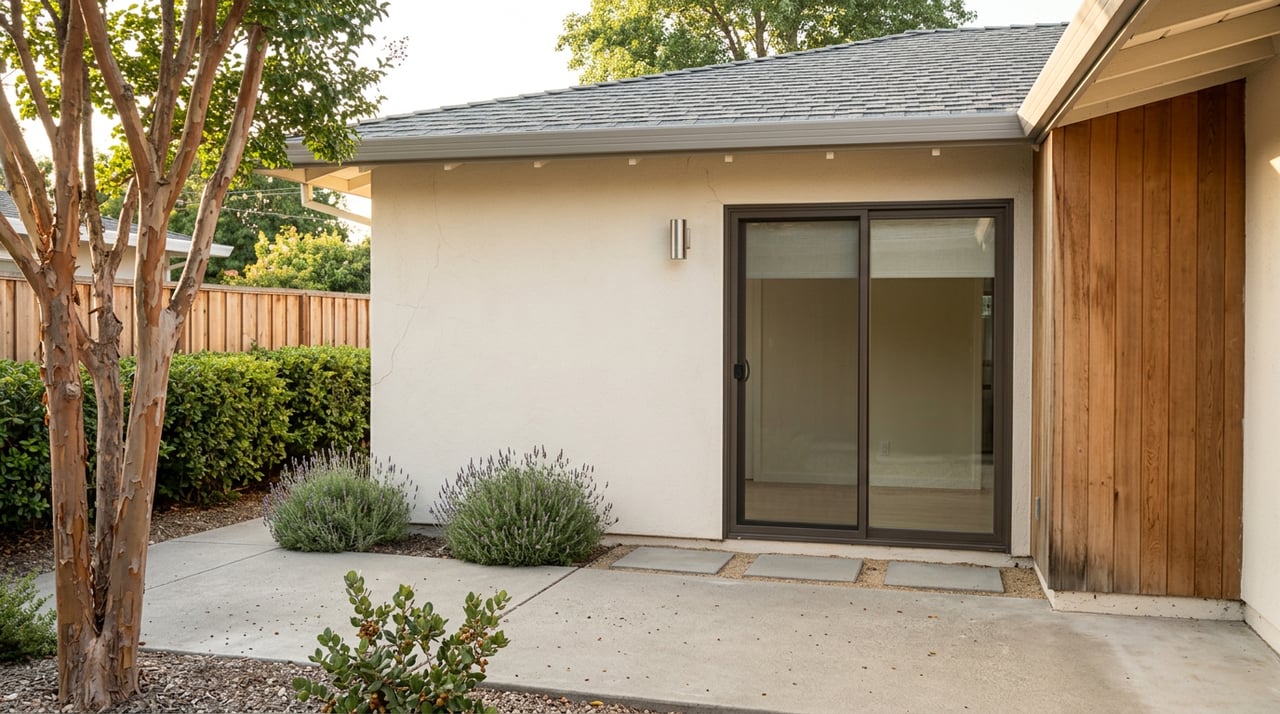
Buying An Older Home In Sunnyvale: What To Know
March 24, 2026
March 24, 2026
Love the character of mid‑century homes but worry about surprises? If you are eyeing an older Sunnyvale house, you are not alone. Many buyers here fall for Eichler glass walls and classic ranch lines, then wonder what inspections, repairs, and budgets to plan. In this guide, you will learn what to look for, typical costs, smart upgrade sequences, and neighborhood tradeoffs so you can buy with confidence. Let’s dive in.
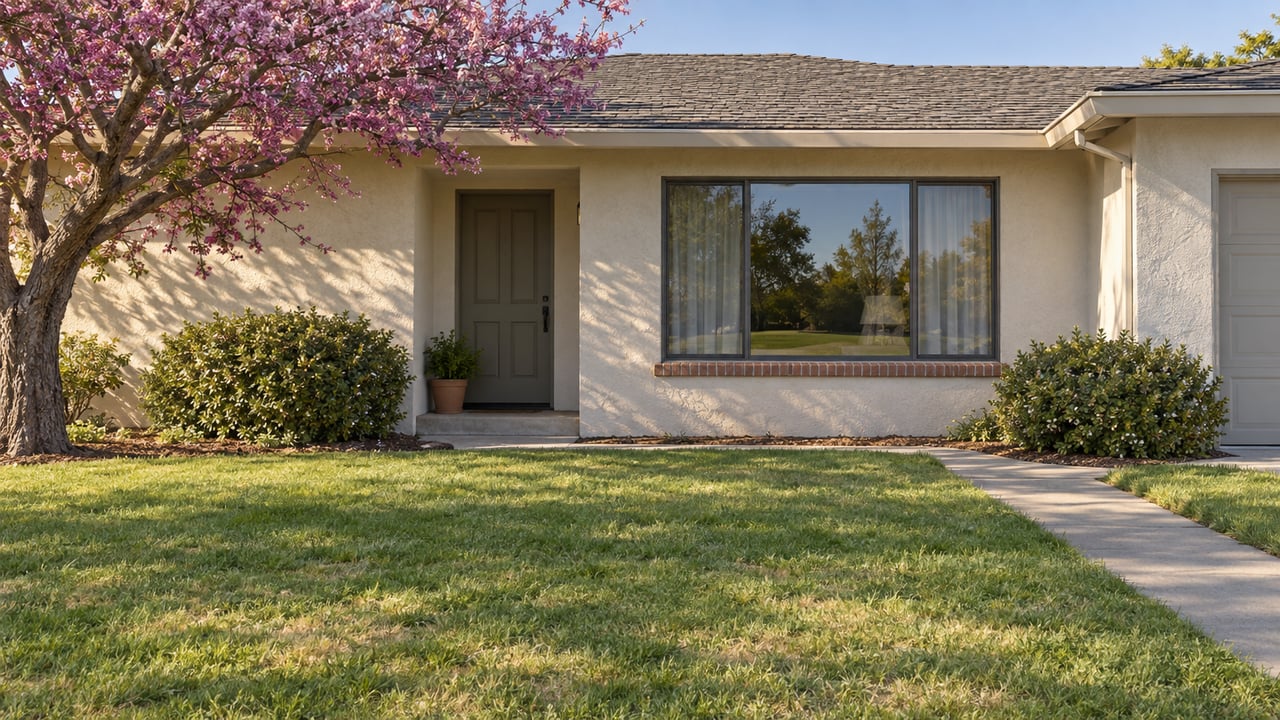
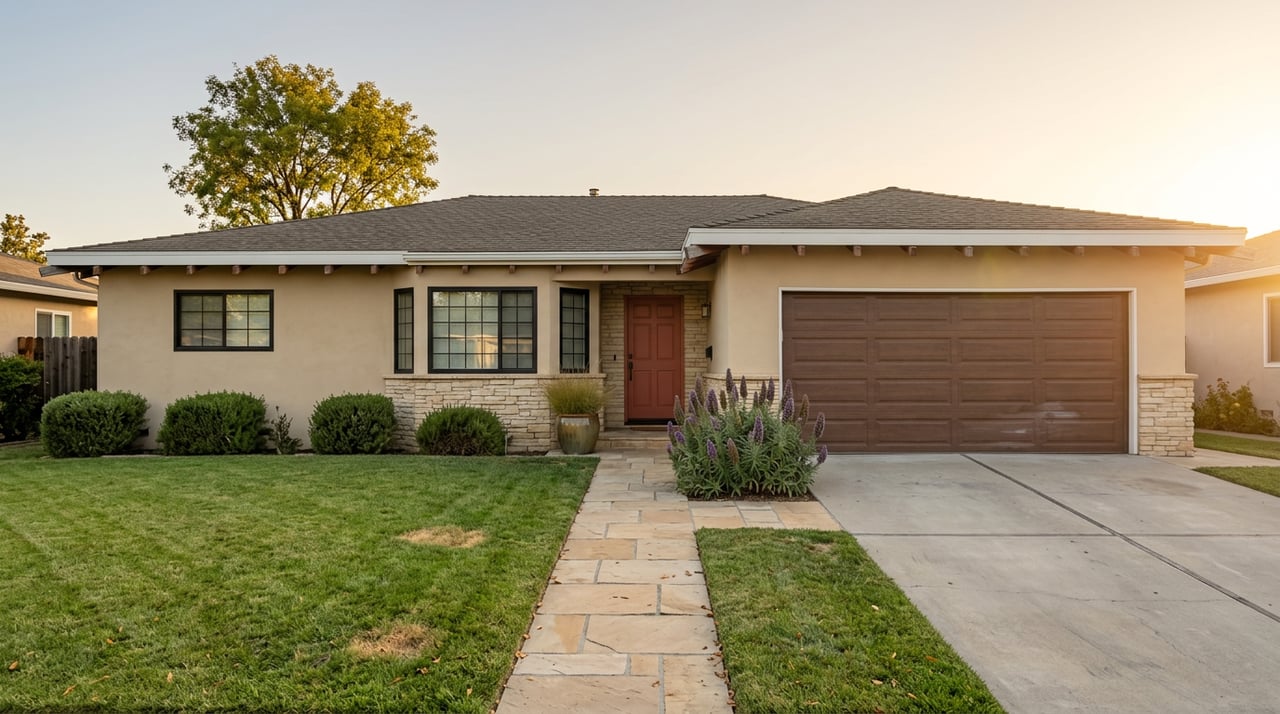
Sunnyvale’s older stock includes Eichler tracts, mid‑century ranches, and 1950s–1970s production homes. These homes often sit on quiet streets with single‑story profiles and simple, functional floor plans. Their construction details shape what you should inspect and how you should budget.
Many Eichlers are single‑story with post‑and‑beam framing, floor‑to‑ceiling glass, and central atriums. They commonly have concrete slab floors with in‑slab radiant heating and low or flat rooflines. Some neighborhoods have single‑story overlay policies and design guidance that influence remodel potential and second‑story options, so it helps to review the city’s overlay and policy materials from the City of Sunnyvale.
Many non‑Eichler ranches from the same era have raised foundations or shallow crawlspaces and standard forced‑air systems. These homes bring different priorities: seismic bracing at cripple walls, drainage, and termite checks. Roof form varies, but low‑slope sections on some models deserve close attention for age and flashing.
Older homes can be solid long‑term investments if you plan for the right fixes. Here are the issues that most often matter in Sunnyvale, with ballpark ranges taken from regional benchmarks and program resources.
Bay Area buyers should expect to evaluate anchoring and bracing. Common gaps include unbraced cripple walls and limited foundation bolting. Typical single‑family retrofit scopes, like brace‑and‑bolt and plywood bracing, often run about $3,000 to $12,000 depending on size and access. More complex soft‑story or multiunit work can reach much higher. See published ranges for earthquake retrofits on HomeGuide’s cost overview.
Good news: the statewide Earthquake Brace + Bolt program has offered grants of up to $3,000 for eligible homes in qualifying ZIP codes. Application windows and eligibility change, so check the latest details on the Earthquake Brace + Bolt program page.
Flat or low‑slope roofs are common in older Sunnyvale homes, including many Eichlers. Older membranes can pond water or fail at seams and flashing if they have not been modernized. Atrium drains and scuppers deserve special attention for clogs and signs of moisture staining. Roofing can be a midrange capital expense with moderate resale recoup, as shown in industry benchmarks from Cost vs. Value. Expect spot repairs to be modest, while full membrane replacements can move into the low five figures based on size and complexity.
Original in‑slab hydronic systems may use older piping that can corrode or leak. If you are considering an Eichler, ask for boiler and radiant service records and bring in a radiant or mechanical specialist to evaluate loops and remaining life. Repairs can range from a small boiler fix to invasive slab work. Many owners choose to decommission failing radiant and install ducted or ductless heat pumps, which typically fall in the low‑to‑mid five figures for full‑home conversions depending on scope.
Homes built before roughly 1970 may still have galvanized steel lines. Some houses built in the late 1970s to mid‑1990s in various markets used polybutylene (PB) piping, which has a history of premature failure and can create insurance hurdles. If a home has PB or pervasive galvanized corrosion, a repipe is often the cleanest solution. Learn more about PB concerns from this plumbing resource. Whole‑house repipe costs vary widely by size and wall repair needs, from several thousand dollars into the low five figures.
Older panels like Federal Pacific Stab‑Lok, Zinsco, or Pushmatic can be safety or insurance red flags, as can aluminum branch wiring in some 1960s–1970s homes. A licensed electrician should assess the panel and provide a written scope, since some lenders or insurers require replacement before closing. Review common panel concerns and disclosure trends in this panel safety overview. Upgrading to a modern 200A service typically ranges about $1,500 to $5,000, with variation for permits, meter work, utility coordination, and site access, as outlined in this panel upgrade cost guide.
Termites and dry‑rot are common in the Bay Area, and a Wood‑Destroying Organism inspection is a smart add‑on. The University of California’s Integrated Pest Management program explains signs, risks, and treatment basics for drywood termites. Localized treatments can be under a thousand dollars, while fumigation and structural repairs can run several thousand or more depending on damage.
If the home was built before 1978, lead‑safe practices apply when disturbing paint. The EPA outlines rules and safe work practices in the Residential Lead‑Based Paint Hazard Reduction Act overview. Asbestos can appear in older insulation, pipe wrap, or flooring. Testing and any abatement should be handled by licensed contractors.
Done in the right order, efficiency and electrification upgrades can improve comfort and reduce operating costs.
This sequence is consistent with California program guidance and regional best practices highlighted in the statewide energy program library at EE Coordinator.
Sunnyvale is a high‑value city with micro‑markets. West and some central pockets with established single‑story streetscapes and renovated mid‑century homes often command premiums. Northern and Moffett‑adjacent areas can offer more entry points, sometimes with older finishes or smaller lots. If you care about adding a second story or changing the street profile, review local policies and any single‑story overlays in target tracts through the city’s planning documentation before you buy.
Here is a practical checklist to complete before you remove contingencies on an older home.
These are planning ranges. Always get line‑item contractor bids for any serious findings before waiving contingencies.
Put the brakes on if you see these red flags without clear contractor scopes and quotes:
Program windows, stacking rules, and federal credits change. Verify current eligibility before assuming a rebate will apply to your project timeline.
If you love mid‑century style, an older Sunnyvale home can be a smart long‑term choice. With the right inspections, a realistic budget, and a step‑by‑step upgrade plan, you can protect your investment and enjoy the character that drew you in. When you are ready to align your search with neighborhoods, due diligence, and a clear offer strategy, reach out to the Taylor Lambert Group for calm, data‑informed guidance and an education‑first approach.
Stay up to date on the latest real estate trends.


Housing Market Updates!

Etiam non quam lacus suspendisse faucibus interdum. Orci ac auctor augue mauris augue neque. Bibendum at varius vel pharetra. Viverra orci sagittis eu volutpat.