How Cupertino School Zones Shape Home Prices
March 12, 2026
March 12, 2026
Wondering why two similar homes a few blocks apart sell for very different prices in Cupertino? If you’ve toured a few listings, you’ve probably noticed how a school assignment can swing demand, speed, and list price. It can feel confusing when you’re balancing budget, commute, and long-term value. This guide will show you how school zones are organized, why they influence pricing, what you can expect at different budgets, and how to verify a home’s assigned schools before you write an offer. Let’s dive in.
Cupertino’s public school assignments are handled by two districts. For elementary and middle school, the Cupertino Union School District (CUSD) manages boundaries and assignments. For high school, the Fremont Union High School District (FUHSD) sets attendance areas for local high schools. Each district maintains official maps and lookup tools you can use before you make an offer.
Start with the district maps. CUSD publishes a district map and a School Locator that shows the preliminary assignment for a specific address. FUHSD also posts attendance-boundary maps for its high schools. Because high school placement is often the primary driver of price differences, it’s smart to verify both K–8 and 9–12 for every property you consider.
Use these quick steps each time you evaluate a property:
Look up the address in the CUSD School Locator to see the preliminary elementary and middle school assignment. You can access it from the CUSD district map page or the CUSD registration locator.
Check the FUHSD boundary map for the assigned high school. Start here: FUHSD boundary maps.
Confirm again just before you write an offer. Final assignments occur at student registration and can change when districts adjust boundaries.
Both districts publish open-enrollment and transfer policies. These options can help in some cases, but availability varies year to year and is not a substitute for living inside a stable attendance area. Always review CUSD’s current policies and talk directly with the districts if a transfer is part of your plan.
There is a robust body of research showing that measured school quality is capitalized into home values. In plain terms, many buyers are willing to pay a premium to live in an area assigned to higher-performing schools. That increased demand raises prices and can shorten days on market within preferred attendance areas.
Academic reviews of dozens of markets find consistent, positive effects between improvements in school performance metrics and nearby home prices. While the size of the effect varies by place and time, the relationship is clear across studies. If you want a deeper dive into the evidence, see this overview of the literature on school quality and housing prices: peer-reviewed review of school quality capitalization.
For you as a buyer or seller in Cupertino, the takeaway is simple. School assignments are one of the few neighborhood attributes that are easy to understand, relatively durable, and directly important to many families. That combination tends to concentrate competition near the most sought-after zones.
While attendance maps do not match ZIP codes exactly, ZIP-level medians offer useful, quick benchmarks:
Central Cupertino (ZIP 95014) has shown a recent median sale price around the low $3 millions. Treat this as a practical proxy for central Cupertino, where many homes feed into strong CUSD schools and popular FUHSD high schools.
The Monta Vista area is one of Cupertino’s higher-priced micro-markets. Typical home values in Monta Vista neighborhoods have recently ranged in the low-to-mid $3 millions, with renovated or larger-lot homes selling higher.
Nearby alternatives can offer similar school access at different price points. Sunnyvale’s 94087 ZIP has recently shown a median around the high $2 millions and includes areas that feed to Homestead High. West San Jose’s 95129 ZIP, which includes pockets assigned to Lynbrook High, has recently shown a median around the low-to-mid $2 millions.
Remember, these are proxies to illustrate relative differences, not exact attendance-based medians. Boundaries cut across ZIP lines, and prices shift monthly. Use the district maps to align neighborhoods with school zones as you compare options.
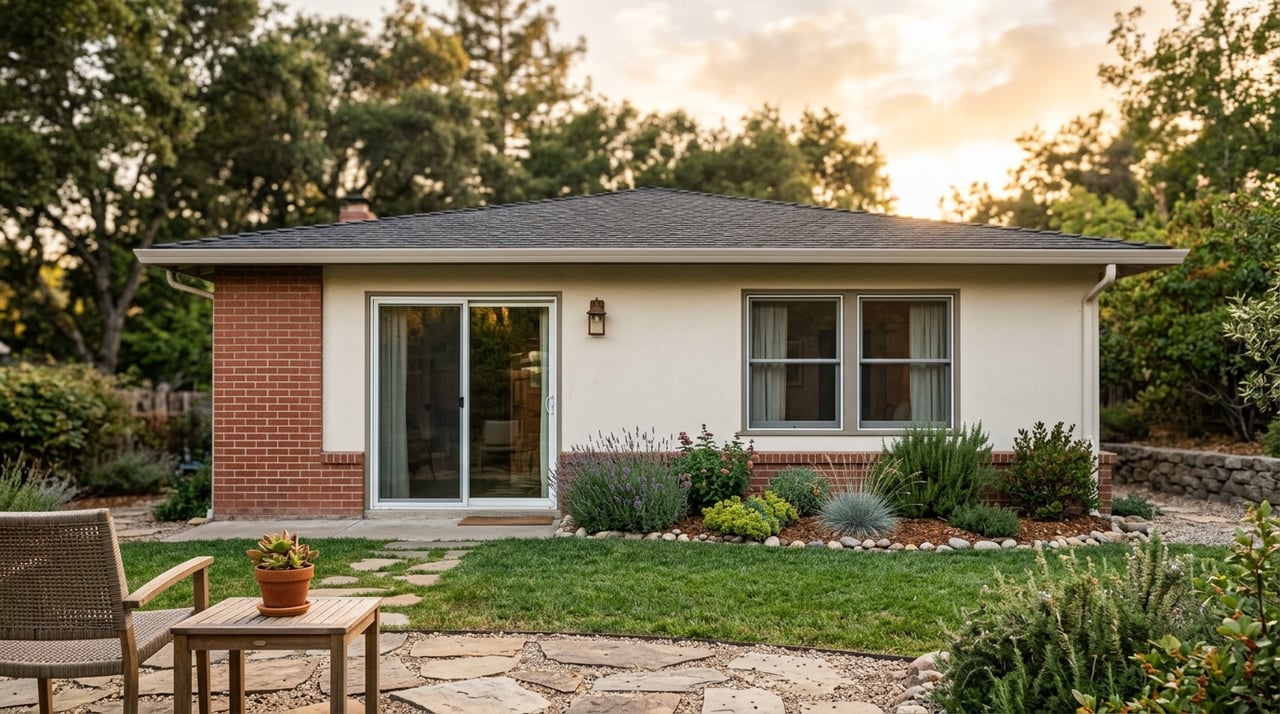
Recent Cupertino examples near the Monta Vista area illustrate the upper-middle to premium range for single-family homes. For instance, a home on Janice Avenue sold around $3.7 million in February 2025. Another on Bubb Road sold near $3.65 million in October 2025. A nearby Monta Vista-area property on Avenida Lane closed around $3.95 million in mid-2025. These sales reflect larger lots and renovated homes in high-demand pockets.
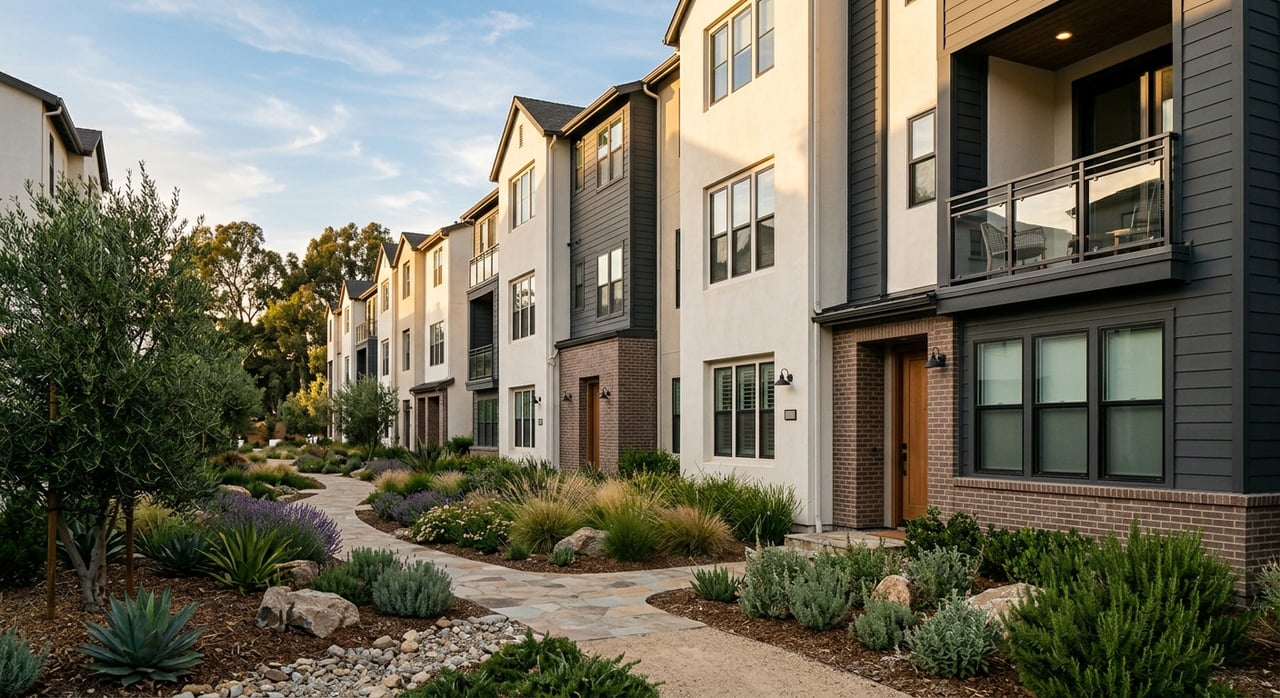
West Cupertino and Monta Vista neighborhoods often offer mid-to-larger suburban lots, commonly 6,000 to 9,000+ square feet for original ranch-era homes. That land component adds to overall price. Buyers entering the market at lower budgets typically look at condos and townhomes, including options near preferred schools, often in the roughly $1.0 to $1.6 million range depending on size, condition, and location.
Recent snapshots show central Cupertino homes often selling slightly over list price, with days on market in the 2 to 4 week range. Attendance areas aligned with popular high schools tend to see stronger sale-to-list ratios and faster competition than more distant submarkets. Plan your offer strategy around this tempo, especially in spring when activity typically picks up.
Use these practical ranges as a starting point. Local variation is real, so expect nuance at the street level.
Under about $1.5M
$1.5M to $2.5M
$2.5M to $4M
$4M and up
A focused process will save you time and reduce stress:
Map both districts first. Overlay CUSD and FUHSD maps to see where your target neighborhoods align with your preferred schools. Start with the CUSD map and locator and the FUHSD boundary maps.
Verify every address. Check the School Locator and boundary map each time, and confirm assignments again before you release contingencies. Assignments are finalized at student registration.
Expect faster competition in prized zones. In many recent months, central Cupertino homes sell above list with shorter days on market. Prep inspections, lender docs, and timelines so you can act quickly when the right home appears.
Budget for the zone premium. If a certain high school zone is non-negotiable, plan for a higher price and tighter negotiation windows. If you have flexibility, consider adjacent neighborhoods that feed to similar schools at different price points.
Think long-term fit. Schools matter, but so do layout, light, yard, and commute. A balanced choice is usually the best investment.
If your home sits within a preferred attendance area, lean into that verified assignment in your marketing. Buyers value clarity, so include address-level confirmation from the district tools in your disclosures and collateral. Stage for broad appeal, price with hyperlocal comps, and launch during a window when family buyers are active.
If your home feeds to a different zone, highlight strengths that broaden the buyer pool: updated systems, flexible floor plan, yard, proximity to employers, and local amenities. Position your price strategically against nearby alternatives in Sunnyvale or West San Jose to capture buyers who are comparing school access, commute, and budget.
In Cupertino, school zones shape demand and prices in clear, measurable ways. If you verify assignments early, align your search with your budget, and prepare for a faster pace near popular schools, you’ll compete with confidence and avoid surprises.
Ready to map your options and craft a winning plan? Reach out to the Taylor Lambert Group for neighborhood-by-neighborhood guidance and a clear path to your next home.
Stay up to date on the latest real estate trends.

Deals of the week!


Deals of the week!

Housing Market Updates!
Etiam non quam lacus suspendisse faucibus interdum. Orci ac auctor augue mauris augue neque. Bibendum at varius vel pharetra. Viverra orci sagittis eu volutpat.