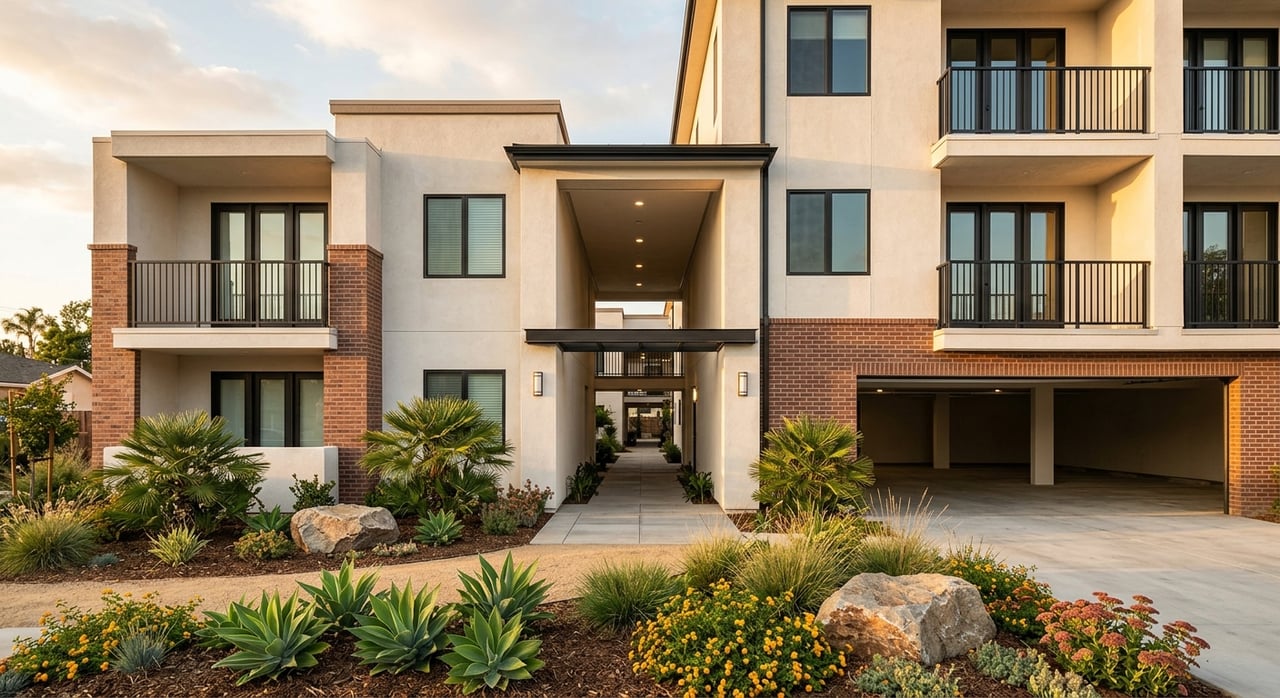
How To Evaluate Santa Clara Condos And Townhomes
July 9, 2026
July 9, 2026
Trying to choose between a Santa Clara condo and a townhome can feel simple at first, until you start comparing HOA dues, parking setups, reserve funds, and floor plans that look great online but work very differently in real life. If you want a home that fits your budget and your daily routine, you need to look deeper than photos and finishes. This guide will show you how to evaluate Santa Clara condos and townhomes with more confidence, using the details that matter most. Let’s dive in.
Santa Clara gives you a wide spread of condo and townhome options, but the pricing gap is worth noticing right away. As of early July 2026, current listing snapshots show 61 condos for sale in Santa Clara with a median listing price of $669,000, while 16 townhouses are listed at a median listing price of $1.29 million. Average days on market in that same snapshot are 46 for condos and 28 for townhomes.
That does not mean one property type is always better than the other. It means you should expect condos and townhomes to serve different goals, budgets, and lifestyle needs. In Santa Clara, your real comparison is often less about labels and more about what the HOA maintains, how the home is laid out, and how the community is funded.
In Santa Clara, condo and townhome inventory often falls into a few broad product groups. A practical way to think about the market is older low-rise condo communities, mid-2000s master-planned communities, and newer multi-level townhome-style homes with attached or detached garages. Current listing examples support that mix, with construction years ranging from the late 1960s and early 1970s to 2005 and 2015.
Each group tends to come with different tradeoffs. Older communities may offer lower entry prices and established landscaping, but they can also require closer review of building systems and reserve strength. Newer townhome-style homes often offer more private parking and flexible layouts, but usually at a higher purchase price.
Older garden-style communities in Santa Clara often vary the most in maintenance needs. In the Woodsborough and Kiely corridor, current listings show 1- and 2-bedroom homes around 656 to 956 square feet, with carports or covered parking, guest or permit parking, and amenities like pools, spas, ponds, playgrounds, laundry facilities, and landscaped walkways.
These communities can be appealing if you want an accessible price point and shared amenities. At the same time, the age of the community makes the disclosure packet especially important. Cosmetic updates inside a unit do not tell you much about the condition of common plumbing, electrical systems, roofs, or pavement.
Mid-rise condo buildings often shift the focus from green space to convenience and shared services. A current Executive House example shows a 1972 building with secure building access, two secured garage spaces, water, garbage, external storage, bike parking, a pool, spa, recreation room, and BBQ area included through HOA dues.
In this kind of property, you are evaluating more than the unit itself. You are also buying into building access, parking convenience, storage, and the level of common-area service. That means the monthly dues need to be judged based on what they actually include.
Rivermark and similar communities offer a wider amenity mix. Rivermark is described as a 225-acre planned urban community with a retail center, hotel, park facilities, a public school, senior housing, apartments, multi-family podium structures, townhouses, and single-family homes.
Current Rivermark-area listings show amenities such as pools, spas, clubhouses, gyms, movie theaters, guest parking, trails, EV charging in some cases, and multiple reserved garage spaces. Floor plans in current examples range from a 1-bedroom, 816-square-foot condo to a 3-bedroom, 1,361-square-foot home. HOA dues in those examples range from $571 to $612.
Newer townhome-style homes in Santa Clara often trade a higher price for more functional day-to-day living. Current examples include layouts with two-car garages, private patios or backyards, multiple levels, and bedroom configurations that can support guests, work-from-home needs, or more privacy between living and sleeping areas.
One current example from 2015 shows a 3-bedroom, 3-bath home with 1,723 square feet, two primary suites, a downstairs bedroom or office, a 2-car garage, and a $394 HOA. Another townhouse-style condo example shows 2 bedrooms, 2.5 baths, 1,300 square feet, a private backyard, a detached garage, and $660 HOA dues. Those differences show why the label alone is not enough. You need to compare layout, parking, outdoor space, and dues together.
One of the biggest mistakes buyers make is treating HOA dues like a number to minimize at all costs. In Santa Clara, that can lead to apples-to-oranges comparisons. Some dues cover water, garbage, security, storage, and multiple parking spaces, while others are more tied to amenities or exterior maintenance.
A lower HOA is not automatically a better deal. It may mean fewer services, fewer included utilities, or more future owner responsibility. A higher HOA may support amenities, building access systems, and more predictable common-area upkeep.
When you compare dues, ask:
If there is one part of the evaluation process you should not rush, it is reserve funding. In California, Civil Code section 5570 requires the annual budget disclosure to show the estimated amount required in reserves, the projected reserve fund cash balance, and the funded percentage now and over the next five budget years.
That matters because the monthly HOA number tells only part of the story. The reserve summary helps you understand how prepared the association may be for future repair and replacement costs. A complex with attractive dues but weak reserves may leave owners more exposed to future assessment pressure.
California DRE guidance also says reserve studies should be reviewed annually and updated at least once every three years. That guidance notes that major components in a condominium may wear out before the building itself, including systems such as plumbing or electrical. In practical terms, an older community may deserve extra scrutiny even if the unit looks freshly remodeled.
For condos and townhomes in California, the disclosure packet is one of your best tools. Civil Code section 4525 requires the seller to provide important HOA-related documents and disclosures, including governing documents, current regular and special assessments and unpaid fees, unresolved violation notices, defect information, approved assessment changes not yet due, rental restrictions if any, requested board minutes from the previous 12 months, and the most recent inspection report required by Section 5551.
That is a lot of paper, but it can reveal issues that will not show up in listing remarks or a 20-minute showing. The board minutes may reference planned repairs. The rules may affect rental flexibility or daily use. The inspection report and defect disclosures may help you spot deferred maintenance that deserves a closer look.
Parking deserves more attention than many buyers give it. Santa Clara listings show a wide range of parking arrangements, including carports, covered spaces, guest parking, secured garage spaces, detached garages, tandem setups, and attached two-car garages.
The best parking setup depends on how you actually live. If you commute daily, carry gear, or need reliable guest access, the difference between a carport and a private garage can feel much bigger after move-in than it did during the tour. Ask whether spaces are deeded, assigned, detached, tandem, or shared with guest parking rules.
Square footage matters, but layout matters just as much. A smaller home with smart separation between living space and bedrooms can feel easier to live in than a larger home with awkward flow. In Santa Clara's condo and townhome inventory, you will see everything from compact 1-bedroom condos to multi-level homes with flexible bedroom or office setups.
As you tour homes, think past staging. Ask yourself whether the kitchen, storage, stairs, garage access, and bathroom placement support your real routine. If you work from home, host visitors, or want more privacy between bedrooms, newer townhome-style layouts may solve problems that do not show up in the square footage number.
Your real monthly cost may include more than principal, interest, taxes, and standard HOA dues. If a property is part of a Mello-Roos community facilities district or has another special tax obligation, California law requires the seller to make a good-faith effort to obtain and deliver the disclosure notice if it is available from the local agency.
For you as a buyer, the practical issue is simple: understand the full carrying cost before you fall in love with the home. This matters especially in newer or master-planned areas where special tax obligations may affect affordability more than buyers expect.
When you compare Santa Clara condos and townhomes, keep your review focused on a few practical categories:
That approach helps you move beyond surface-level features. It also gives you a more realistic way to compare an older condo, a mid-rise unit, a Rivermark home, and a newer townhome-style property on equal footing.
If you want help sorting through Santa Clara condo and townhome options, the team at Taylor Lambert Group can help you compare properties, disclosures, and neighborhood fit with a local, education-first approach.
Stay up to date on the latest real estate trends.


Housing Market Updates!

Etiam non quam lacus suspendisse faucibus interdum. Orci ac auctor augue mauris augue neque. Bibendum at varius vel pharetra. Viverra orci sagittis eu volutpat.