Thinking about selling your home in Almaden or South San Jose and wondering what a pre-sale inspection actually covers? You want fewer surprises, smoother negotiations, and a confident price strategy. A clear inspection picture can help you decide what to fix, what to disclose, and how to set expectations before you hit the market. In this guide, you’ll learn what to expect, local findings to watch for, and how to use the results to your advantage. Let’s dive in.
What inspectors check
A general home inspection is a visual, non-invasive look at the major systems and accessible areas. Inspectors typically review the roof, exterior siding and windows, grading and drainage, and the visible parts of the foundation. They also check plumbing and electrical systems, the water heater, HVAC operation, and interior surfaces for water intrusion or safety issues. Attics and crawlspaces are inspected when accessible for insulation, ventilation, and signs of pests or moisture.
It is important to know the limits. Inspectors do not open walls or perform destructive testing. Code compliance checks and permit verification are outside the standard scope. If the general inspection flags a concern, you can bring in specialists to investigate further.
Popular add-on reports
Depending on the age and features of your home, add-on inspections can provide a clearer picture:
- Wood-destroying pest and termite inspection, which is common in California and often requested by lenders.
- Sewer or mainline video scope to identify root intrusion, blockages, or collapsed piping.
- Roof certification or a more detailed roof inspection, especially for older roofs.
- Chimney, pool or spa, HVAC, and appliance specialists for complex systems.
- Targeted environmental testing, such as lead in pre-1978 homes, asbestos in specific materials, or formal mold sampling when there are indicators.
- Structural or engineering evaluations when significant cracks or movement are observed.
Timing and turnaround
Most sellers schedule inspections 2 to 8 weeks before listing to allow time for decisions and any repairs. A typical single-family inspection takes about 2 to 4 hours depending on size, age, and accessibility. Add-ons, such as a sewer scope or WDO report, may require additional time or separate appointments. Many inspectors deliver digital reports within 24 to 72 hours.
Typical South Bay costs
Costs depend on home size, age, and add-ons. National guides put a basic general inspection in the roughly 300 to 600 dollar range for an average-sized home. In high-cost regions like the Bay Area, you can expect higher fees, especially for larger homes or multiple add-ons. Sewer scopes and specialty inspections are commonly a few hundred dollars each, while complex roof, pool, or environmental testing can vary.
Several factors influence pricing, including square footage, roof complexity, number of systems, and access to the attic or crawlspace. If multiple specialists are needed, plan for separate line items and scheduling.
Common Almaden findings
Local homes often show patterns tied to our climate, soils, and age of construction:
- Roof aging and leaks. Shingle wear, worn valley areas, and flashing issues are common on older roofs. Remedies range from targeted patching to partial or full replacement depending on condition.
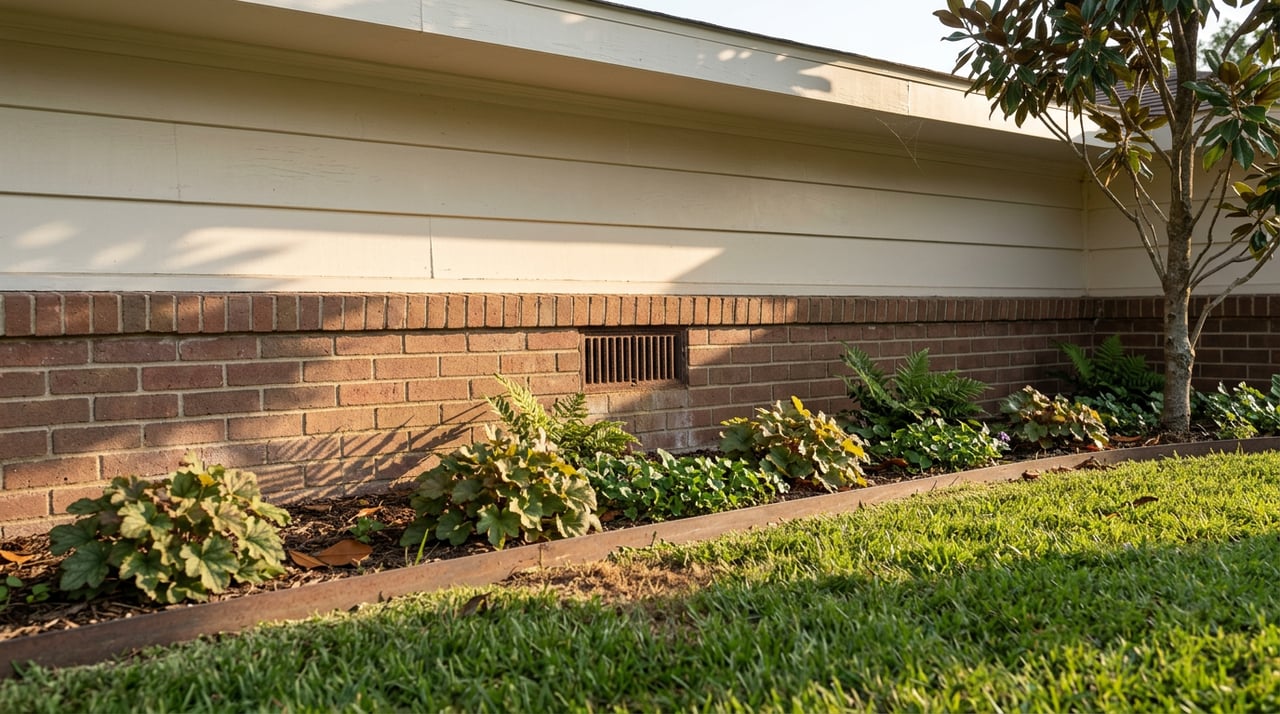
- Drainage and grading issues. Soil or mulch against siding, negative grading, and short downspouts can push water toward the foundation. Regrading and extending downspouts are typical fixes.
- Foundation and concrete cracks. Expansive clay soils and hillside lots can lead to hairline to wider cracks. Minor cracks are often sealed, while notable movement may need a structural engineer or foundation contractor.
- Wood-destroying organisms. Subterranean termites and moisture-related wood decay show up frequently. Treatment and localized repairs are common resolutions.
- Older plumbing and water damage. Galvanized pipes, corroded sections, or aging water heaters without seismic strapping are typical. Repairs range from targeted replacements to full repipes in some older homes.
- Electrical system updates. Ungrounded outlets, missing GFCI protection in kitchens or baths, or outdated panels can appear. Licensed electrician upgrades improve safety and marketability.
- Deck and balcony safety. Rot at ledger connections and inadequate flashing can present hazards. Repair or rebuild to meet safety standards.
- HVAC and ducting age. Older units and leaky ducting reduce efficiency. Tune-ups or replacements depend on age and condition.
- Sewer-line issues. Tree roots and older clay piping can cause blockages or breaks. Solutions include spot repairs, relining, or full replacement.
Real examples and seller options
- Hillside ranch, 1950s–1960s. Inspection finds hairline foundation cracks and moisture at the low side. Sellers often improve drainage, seal cracks, disclose findings, and decide whether to repair now or adjust price.
- 1970s tract home with large oak. WDO report notes termite activity at the deck ledger and clogged gutters causing fascia rot. Typical actions include ledger repair, fascia replacement, gutter cleaning, and termite treatment.
- Mid-size home with dated outlets. Missing GFCI protection in kitchen and baths prompts a simple safety upgrade. Targeted electrical work can reduce negotiation friction later.
How results affect pricing and prep
Inspection results help you choose one of three approaches:
- Pre-list repairs
- Pros: boosts buyer confidence, reduces renegotiation, and can shorten escrow delays.
- Cons: requires upfront investment, so pick projects with clear return on effort.
- Good candidates: safety items, roof leaks, active plumbing leaks, termite damage, deck hazards, and obvious deferred maintenance.
- Disclose and price accordingly
- Pros: preserves your cash and can work well in a hot market.
- Cons: may narrow the buyer pool or lead to larger credits after buyer inspections.
- Hybrid approach
- Strategy: address critical safety and lender-driven items, disclose other issues, and offer a credit or home warranty as needed. This can keep your timeline and budget balanced.
Major structural, roof, or foundation issues often affect buyer offers the most. Cosmetic items typically matter less than safety and function, but simple updates like fresh paint, yard cleanup, and professional cleaning can improve showings.
Permits and disclosures
In California, you must complete the Transfer Disclosure Statement and provide a Natural Hazard Disclosure. Homes built before 1978 require lead-based paint disclosures. WDO reports are widely used and often requested by lenders or buyers.
Buyers also care about unpermitted work. If you know of additions or conversions without permits, disclose them. You can search City of San Jose and Santa Clara County records for permit history, and keep all receipts, warranties, and permits for any pre-list repairs. Clear documentation reassures buyers and supports your price strategy.
Next steps for 6–12 months out
- Order a general pre-list inspection, plus WDO and a sewer scope where age, trees, or past issues suggest risk.
- Review results with your listing agent and licensed contractors to get estimates and set priorities.
- Decide on repairs, disclosures, and any credits. Document completed work with permits and receipts.
- Compile your TDS, NHD, permit history, and WDO report if performed.
- After major issues are addressed, plan market-ready updates such as cleaning, yard work, and touch-up paint.
- If significant defects are found, consult the right specialist, such as a structural engineer, for a realistic scope and cost.
Get local guidance
A thoughtful pre-sale inspection can help you set the right expectations, avoid surprise renegotiations, and present your Almaden or South San Jose home with confidence. If you are considering selling, our team can help you choose the right inspectors, prioritize fixes, and package repairs and disclosures for a smoother sale. Reach out to the Taylor Lambert Group to plan your timeline and get your free home valuation.
FAQs
When should Almaden sellers order a pre-list inspection?
- Aim for 2 to 8 weeks before listing so you have time to review results, price strategically, and complete any high-priority repairs.
How long does a home inspection take in Santa Clara County?
- Most single-family inspections take 2 to 4 hours, with digital reports typically delivered within 24 to 72 hours.
What pre-sale add-ons are most useful for older South Bay homes?
- Wood-destroying pest reports and sewer scopes are common additions, with roof certifications, chimney, or HVAC specialists added based on the home.
How much should I budget for inspections in the Bay Area?
- Expect a basic inspection to exceed national averages locally, with add-ons like sewer scopes or WDO reports commonly a few hundred dollars each.
Which inspection issues most affect pricing and negotiations?
- Major roof, foundation, or structural concerns have the biggest impact, while safety items and lender-driven issues are smart to address before listing.