Newer vs Older Homes: How to Choose the Right Fit
TAYLOR LAMBERT July 12, 2024
TAYLOR LAMBERT July 12, 2024
Deciding between a new home and an older home depends on your personal preferences, budget, and lifestyle needs. Some buyers love modern amenities and low maintenance, while others prefer the charm and character of older homes. Here are some factors to consider:
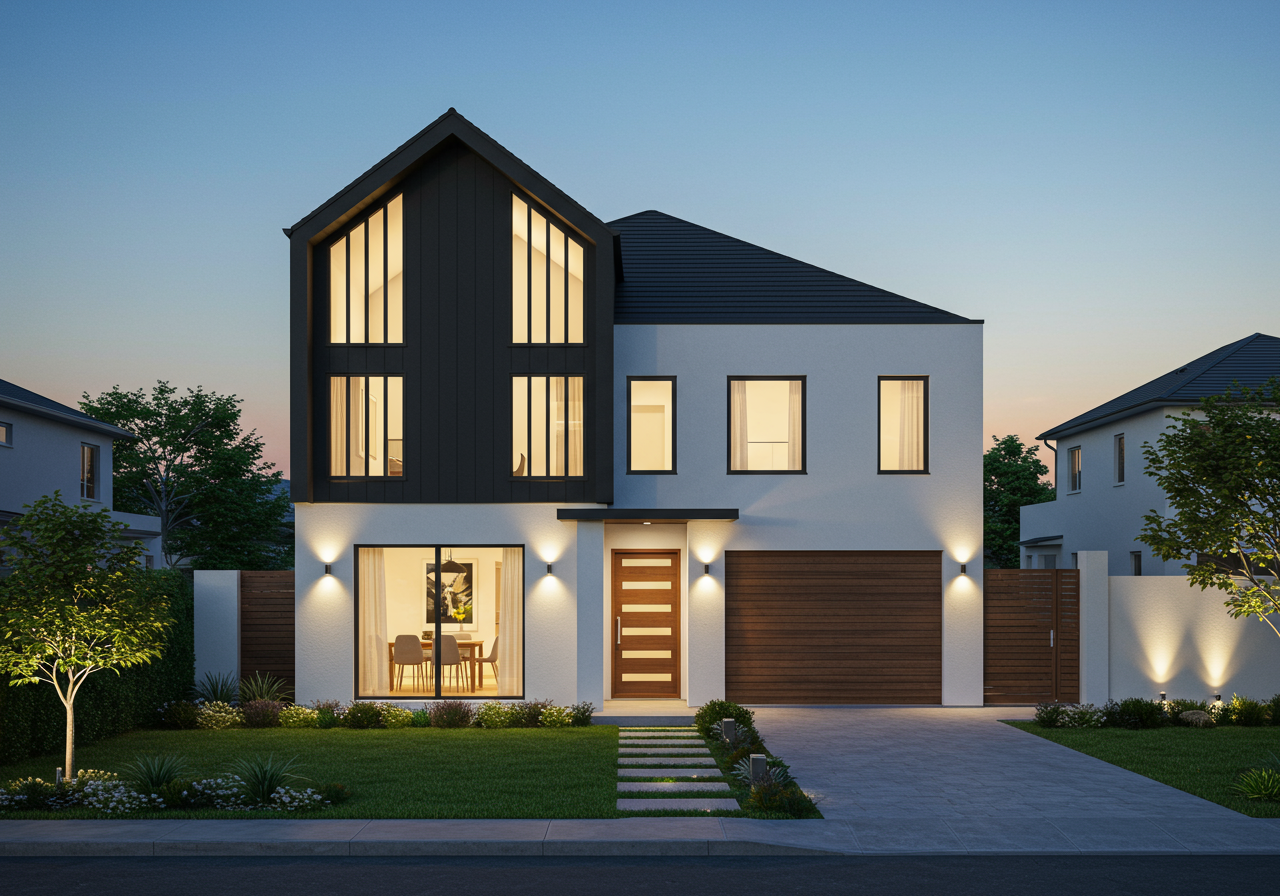
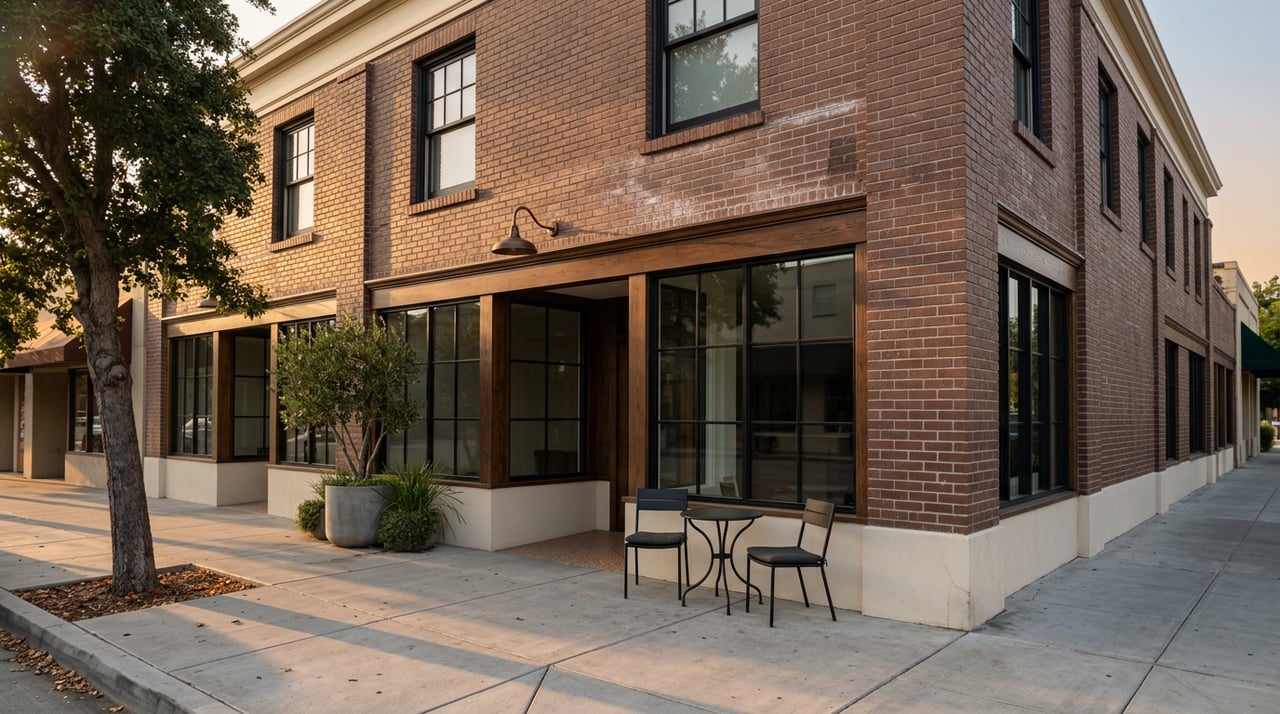
Newer Construction: Newer homes offer larger living spaces and modern upgrades, like energy-efficient technologies. I'm considering anything built in the last 20 years as "newer". Since everything IS newer, you'll likely face fewer maintenance issues at the start. They're built to current codes and regulations, ensuring safety and efficiency.
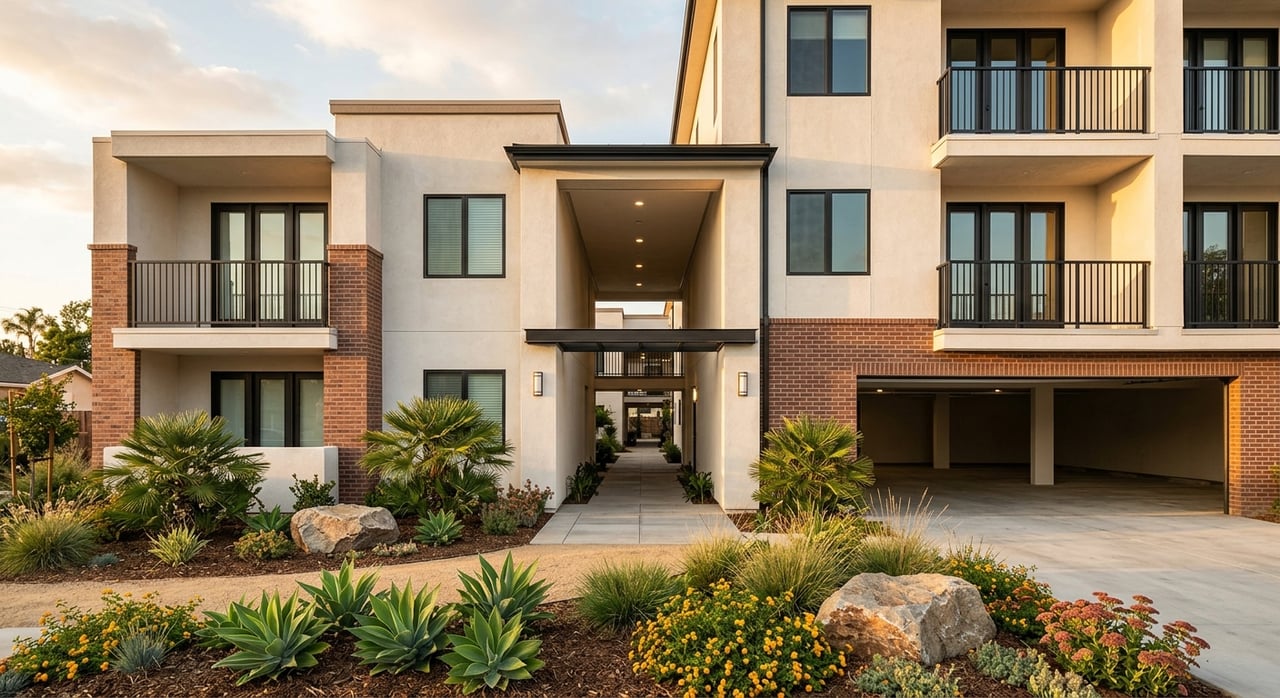
However, newer homes are often located in industrial or developing areas, which might mean longer commutes and less established communities. They also tend to have smaller outdoor spaces, as builders maximize living areas to increase profits, leading to closer living quarters. There are basically NO communities being built in the South Bay that are traditional single-family homes in a traditional neighborhood setting with a 5500sqft+ lot, that's not as profitable for builders, and on top of that there just isn't much developable land here.
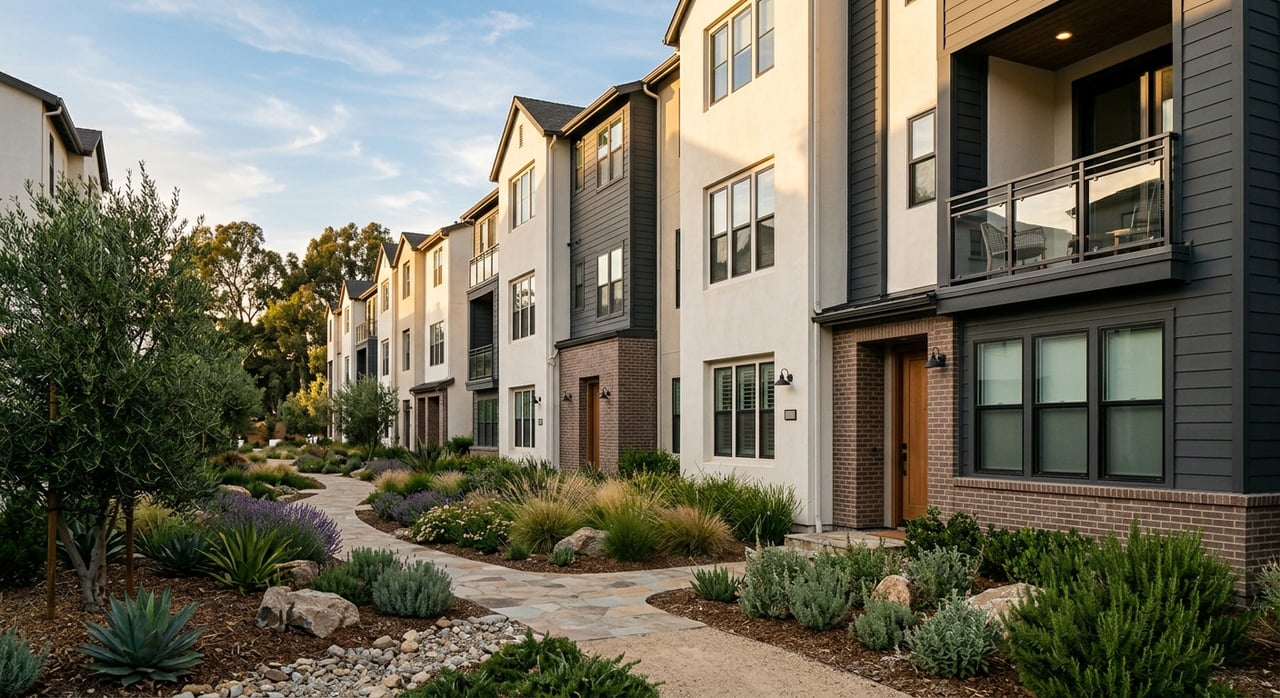
So you'll see a lot of large SFHs squished together with 2500 sqft lots, enough for a very small backyard or even just a patio. If you want new construction with a traditional lot or 'hood, check out some East Bay cities, there's much more room to build out there.
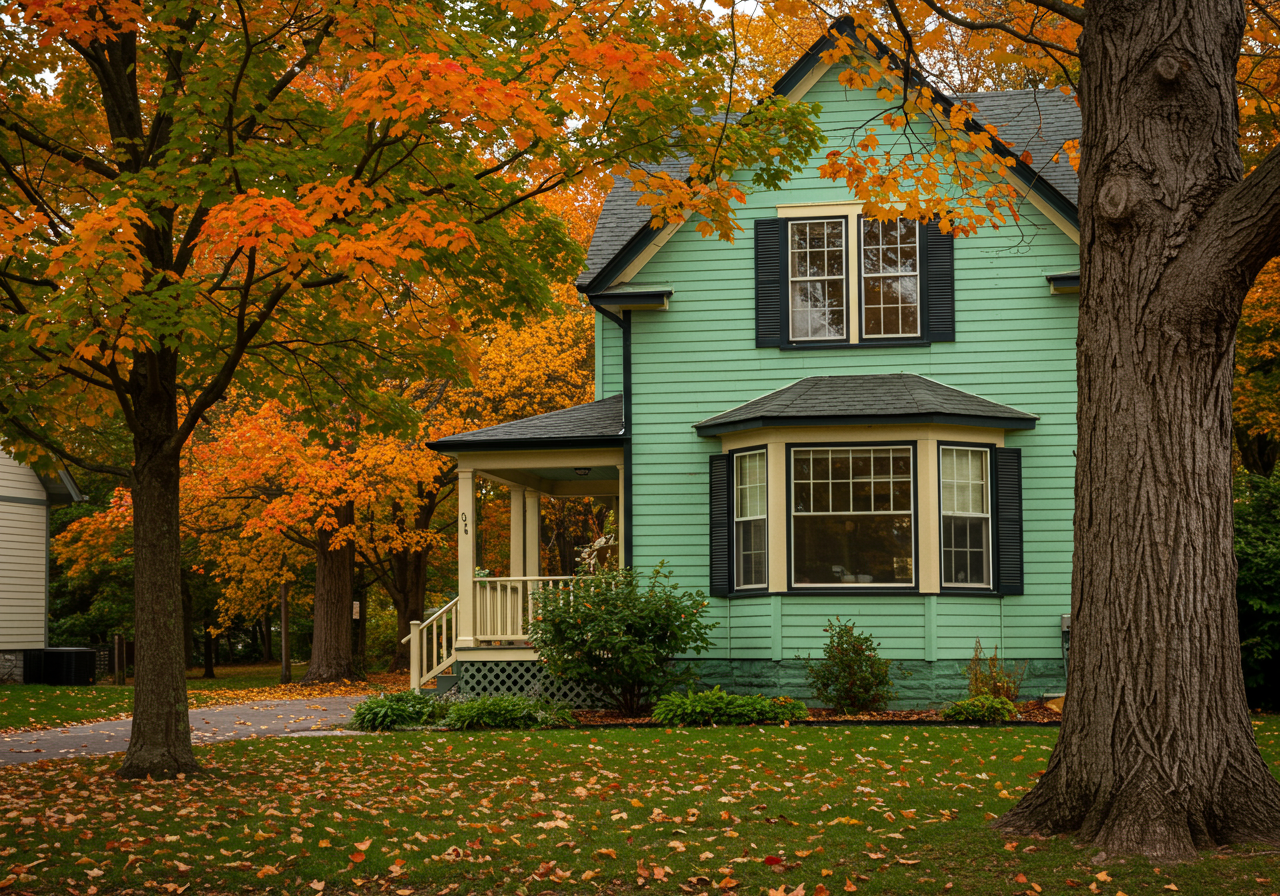
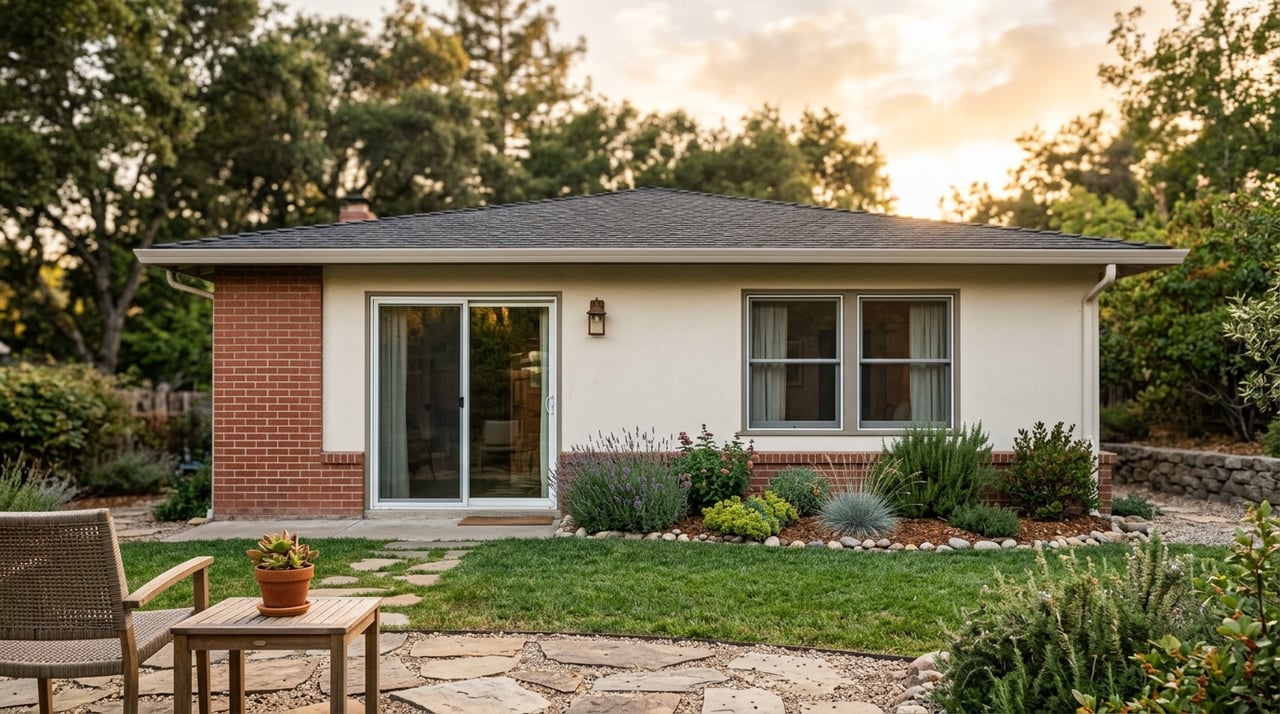
Older Homes: Older homes often boast unique architectural features and a lot of character. They’re usually in established neighborhoods with mature landscaping, community amenities, and a strong sense of community. Older homes typically have larger yards, offering more potential for expansion. However, they might not match the modern, open floor plans many buyers dream of; and closets and windows can be smaller.
Older homes may require more repairs and updates, which means more costs down the line in homeownership. It's all on a case-by-case basis though, for example, my house was built in 1970 and it's still pretty solid and we've only had to improve a couple of minor things in the last 6-7 years since we moved in. Older homes can also be remodeled to look "new". Sometimes I hear people say they don't want an old house but what they really mean is "I don't want my house to look old", those are two different things. We can tear a wall or two down and get that open concept feel, remodel the kitchen, bathroom, and floors, and paint and presto! You got yourself a new feeling house.
In the end, the age of the home is just one factor. With the right care, older homes can be as sturdy and comfortable as new ones. Knowing what you need and want in a home will help you focus more on location and budget, rather than just the home's age. Really when searching for a home it all comes down to the disclosure package and what's in there, we can help you though - how to tell if a home is in good shape or not.
Read Also: IS THE REAL ESTATE MARKET CHANGING? - MARKET UPDATE
Stay up to date on the latest real estate trends.

Deals of the week!


Deals of the week!

Housing Market Updates!
Etiam non quam lacus suspendisse faucibus interdum. Orci ac auctor augue mauris augue neque. Bibendum at varius vel pharetra. Viverra orci sagittis eu volutpat.