The Sewer Lateral Rule That Makes Selling in Willow Glen Different From Los Gatos
August 20, 2026
August 20, 2026
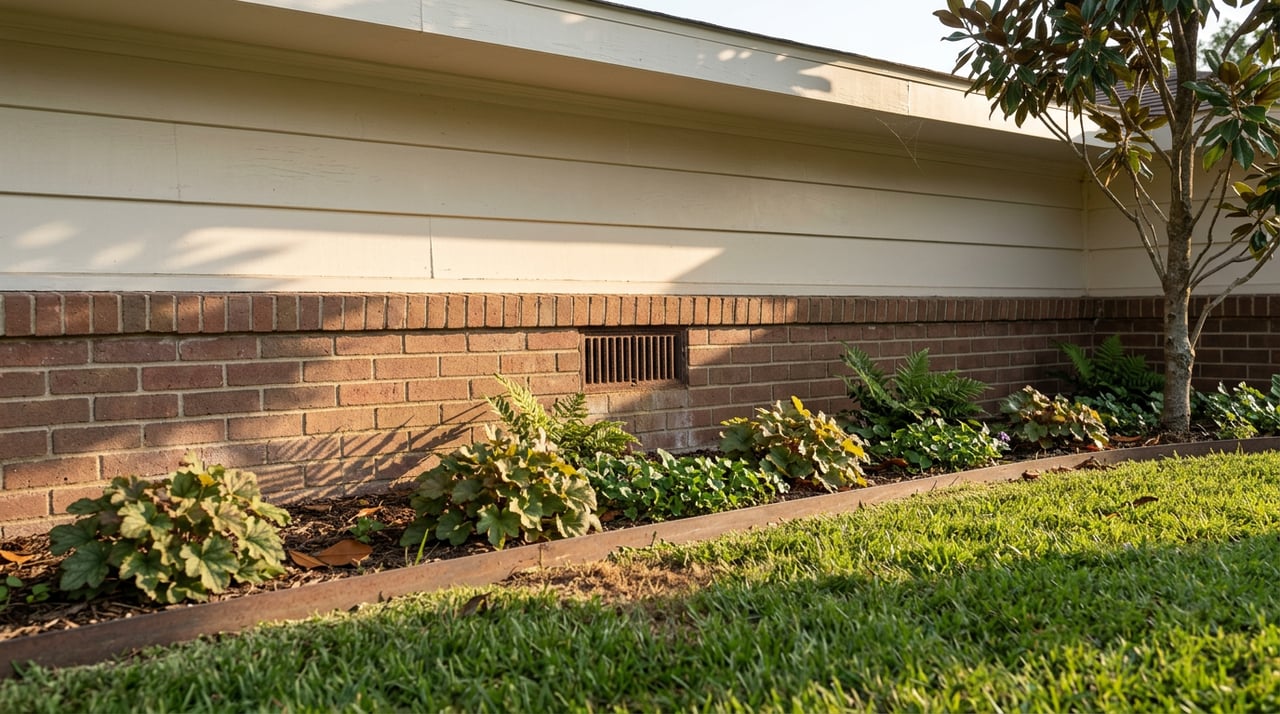
A 1930s bungalow in Willow Glen and a similar-vintage home in downtown Los Gatos sit under the same kind of soil, ringed by the same kind of century-old oak roots, carrying the same odds of a cracked clay joint somewhere between the house and the street. Only one of those sellers is legally required to find out before closing.
That is the part of selling an older Willow Glen home that catches people off guard. Not the staging, not the pricing strategy, not even the historic-district paperwork. It is a city ordinance about sewer pipes that most sellers have never heard of until their agent brings it up, usually while the escrow clock is already running.
Since June 2022, the City of San Jose has required a Private Sewer Lateral Pipe inspection, known in the trade as PSLP, on every residential property sale within city limits. The lateral is the private pipe that runs from the house to the public sewer main in the street. In San Jose, the homeowner owns and maintains the upper portion of that line, while the city takes responsibility for the lower segment near the main. A licensed contractor runs a camera down the pipe, checks for cracks, root intrusion, bellies, and offset joints, and files a report. If the line fails, repairs have to be completed and verified before the city will issue the clearance certificate. Without that certificate, the sale does not close.
This is not a suggestion buried in a disclosure packet. It is a hard requirement that determines whether escrow can proceed at all.
Here is the detail that makes this worth writing about rather than just filing under routine paperwork. According to the Silicon Valley Association of REALTORS, both Los Gatos and Saratoga do not require sewer lateral inspections at the point of sale. Morgan Hill does, but under different terms, where the homeowner covers the entire lateral rather than splitting responsibility with the city.
So a seller listing an Eichler in Willow Glen and a seller listing a comparable mid-century home a short drive away in Los Gatos are working from entirely different rulebooks, even though their pipes were laid by contractors working the same soil in the same decade. One needs a camera crew and a possible repair bill before they can accept an offer. The other does not. That asymmetry rarely shows up in the general advice sellers find online, because most guides describe home inspections as a single, universal process. In Santa Clara County, they are not.
Sewer lateral risk tracks almost exactly with the age of the housing stock, and that is where Willow Glen's character becomes a liability instead of a selling point. Homes built before or around 1960 typically used clay pipe, which is brittle and prone to cracking at the joints as tree roots and decades of soil movement do their work. Cast iron came into use in the 1970s. Plastic pipe, installed from the 1980s forward, holds up best.
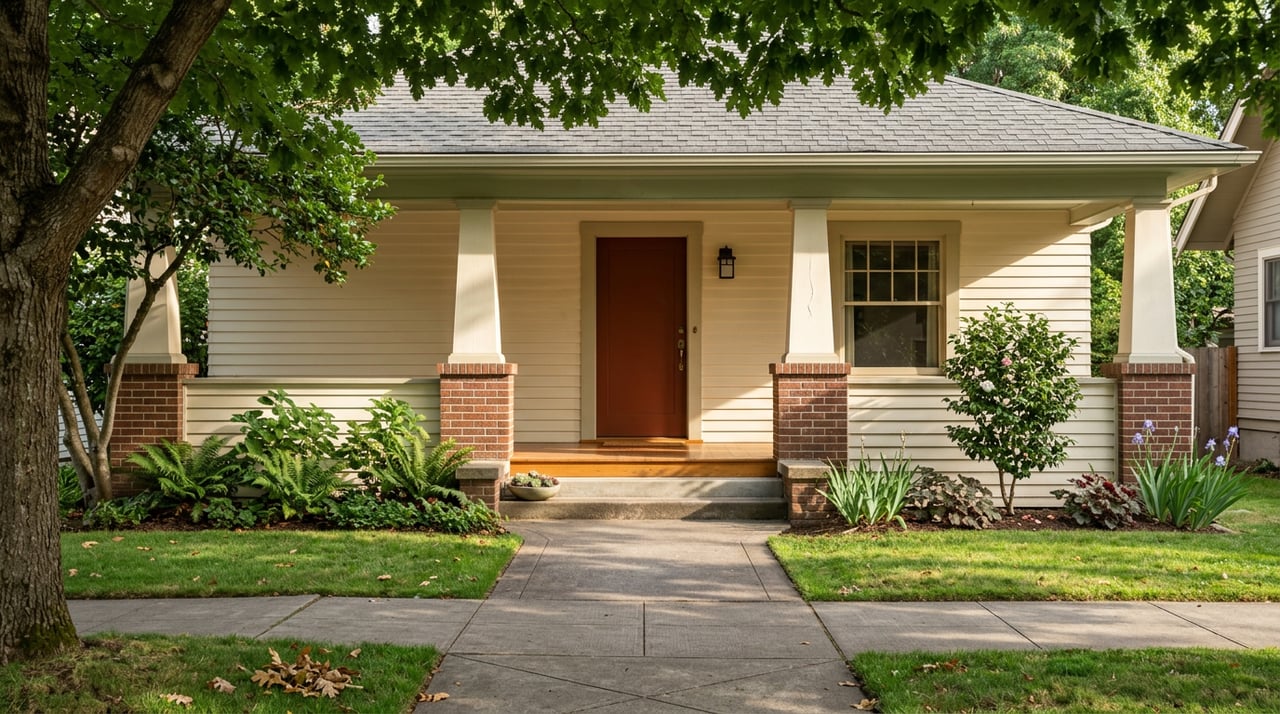
Willow Glen's housing stock skews old by design. The neighborhood's identity rests on its early-20th-century bungalows, Craftsman and Spanish Revival cottages clustered around Lincoln Avenue, the Palm Haven conservation area with its 1930s and 1940s homes, and the Fairglen Additions, 218 Eichler homes built between 1959 and 1961 that became the first Eichler tract in San Jose listed on the National Register of Historic Places, added in 2019. Every one of those categories falls on the wrong side of the 1960s pipe-material line. A Palm Haven cottage from 1935 and a Fairglen Eichler from 1960 are both prime candidates for the same clay-pipe failure, just for different architectural reasons.
| Willow Glen housing era | Typical build years | Likely lateral material | Other common age-related findings |
|---|---|---|---|
| Bungalow grid near Lincoln Avenue | 1900s to 1930s | Clay | Knob-and-tube wiring, galvanized supply lines |
| Palm Haven conservation area | 1930s to 1940s | Clay | Original wiring, single-wall foundations |
| Fairglen Additions (Eichler) | 1959 to 1961 | Clay or early cast iron | Slab foundation quirks, original radiant heating lines |
None of this means a Willow Glen sale is doomed. It means the odds of a lateral finding are higher here than in newer-built parts of the South Bay, and a seller who assumes the pipe is fine because the house looks fine is making a bet the calendar does not favor.
If the camera finds a problem, the range of outcomes is wide. Bay Area plumbing contractors report that spot repairs, where a crew excavates and fixes one failed section, typically run $1,500 to $5,000. Full lateral replacement is the bigger number: most Bay Area homes fall in the $8,000 to $18,000 range once permits, excavation, and surface restoration are included, and that can climb past $20,000 for projects that require cutting into a driveway or coordinating street work. One detail worth knowing before you list: San Jose requires a property line cleanout, an access point installed at the edge of the property, whenever the lateral is replaced or repaired at that location. Having one already in place makes future camera inspections and any blockage clearing considerably cheaper, since a contractor does not have to dig for access first.
For a seller sitting on a home priced anywhere near Willow Glen's typical range, where current listings cluster around $1.8 million to $1.9 million, monthly supply runs well under a month, and sale prices routinely clear list price, an $8,000 to $18,000 surprise is not going to blow up the deal financially. What it can blow up is the timeline, in a market this tight. A fast sale turns into a much longer one if the lateral report comes back after the offer is already accepted and buyers are counting days against their own contingencies.
The lateral test rarely travels alone. Willow Glen's older homes commonly turn up knob-and-tube wiring in properties predating the 1940s, a wiring type that insurers frequently flag or decline to cover regardless of condition. Galvanized steel supply lines, common through the 1950s, corrode from the inside and show up as low water pressure or discolored water long before a pipe actually fails. Wood-destroying organism findings are also a recurring theme in the neighborhood's older wood-frame stock, enough that local marketing guidance for historic Willow Glen listings routinely recommends getting ahead of a pest inspection and keeping repair receipts on hand.
If a property falls within San Jose's Historic Resources Inventory as a Landmark, Contributor, or Candidate, there is an additional layer: exterior changes may require design review, and a Mills Act contract, where one exists, can affect both the tax picture and the appraisal conversation. None of this changes the sewer lateral requirement. It just means the same inspection season that flags the pipe is likely to flag two or three other items typical of a home built before 1960, and a seller who tackles them together avoids compounding the delay.
The practical move is straightforward. Order the PSLP inspection before the home goes on the market, not after an offer arrives. In a market where supply routinely runs under a month and homes often draw offers above list price, a mid-escrow camera report that turns up a cracked clay joint puts the seller in a weak negotiating position at exactly the moment buyers have the least patience for delay. Getting the report early means any repair happens on the seller's schedule, the cost is known before pricing conversations start, and the clearance certificate is already sitting in the disclosure package when a buyer's agent asks for it.
Does a newer remodel or a rebuilt Willow Glen home still need the inspection? Yes. San Jose's PSLP requirement applies to residential sales citywide regardless of the age of the structure above ground. A full rebuild does not exempt the lateral if it was never replaced along with the house.
Who pays if the lateral fails? There is no single citywide rule dictating buyer versus seller. In practice, most Willow Glen sellers handle the repair before closing so the sale can proceed on schedule, since the city will not issue the clearance certificate until the work is verified.
Does this apply if I am selling a Willow Glen condo or townhome instead of a single-family house? The lateral inspection requirement is tied to the property's own private sewer connection. Shared or multi-unit systems can work differently, so it is worth confirming with a licensed PSLP contractor how your specific building's plumbing is configured before assuming the rule does or does not apply.
Willow Glen's bungalows and Eichlers are worth the premium buyers pay for them. The pipe underneath is simply older than the house looks, and San Jose's ordinance means that age gets tested on a deadline the neighboring hills do not share. Handle it early and it is a line item. Handle it late and it is a delay.
If you are thinking about listing an older Willow Glen home and want a clear-eyed read on what your specific property is likely to face, the Taylor Lambert Group can walk through it with you. Get your free home valuation and a straight answer on what your timeline should actually look like.
Stay up to date on the latest real estate trends.

Deals of the week!

Deals of the week!

Deals of the week!
Etiam non quam lacus suspendisse faucibus interdum. Orci ac auctor augue mauris augue neque. Bibendum at varius vel pharetra. Viverra orci sagittis eu volutpat.